
D-Earth Powder Science: The Next Cosmetic Breakthrough!
D-earth powder, also known as Food Grade DE or Diatomaceous Earth, has emerged as a popular natural ingredient in skincare, haircare, and beauty formulations across Canada. But what is it exactly—and how safe is it for your face, skin, and lungs?
This guide is based on a 2021 safety assessment prepared by the Cosmetic Ingredient Review (CIR) Expert Panel, which reviewed the science and regulatory status of using d-earth powder in cosmetic products. Here’s what every consumer and ethical product maker should know.
[Get the full scientific details we’ve based this article on from this free PDF about DIATOMACEOUS EARTH AND COSMETIC RESEARCH].

What Is D-Earth Powder?
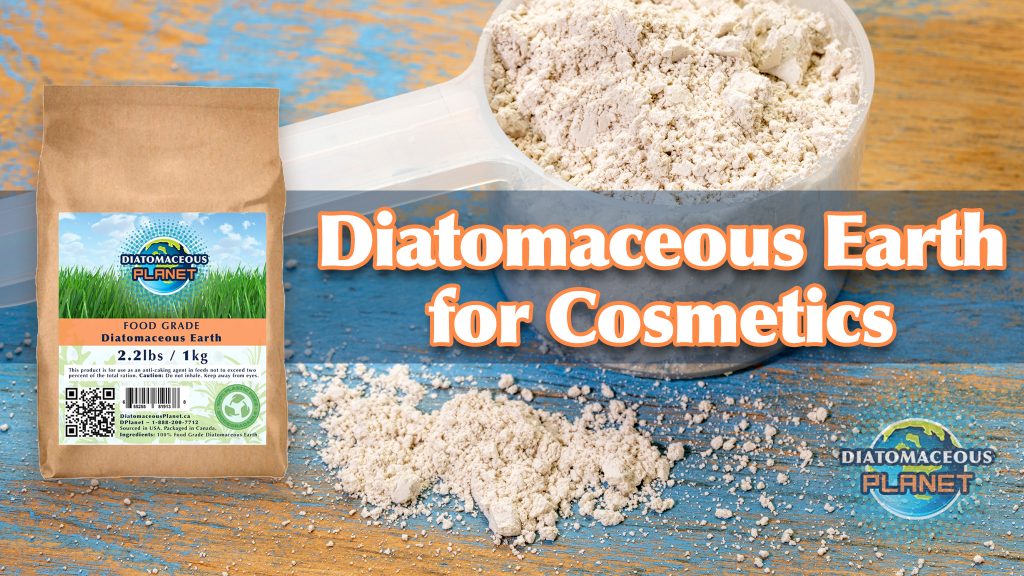
D-earth powder is made from the fossilized skeletons of tiny aquatic creatures called diatoms. These silica-based microstructures settled at the bottoms of lakes and oceans millions of years ago, eventually forming soft, porous mineral beds. These beds are mined, purified, and sometimes heat-treated to create various grades of d-earth powder.
There are several types:
- Natural (uncalcined) – powdered directly from the raw fossil material
- Calcined – heat-treated to remove organic residues
- Flux-calcined – treated with sodium carbonate to produce a coarse, high-silica product
Food Grade DE, the safest form for cosmetic and food use, is made from natural amorphous silica, not crystalline silica (which is more hazardous if inhaled).
Want more depth about DE? We recommend our page directly answering the question: What is Diatomaceous Earth.
Why Is It Used in Beauty and Personal Care?
Cosmetic formulators use Diatomaceous Earth for its:
- Absorbent properties (draws in oil, moisture, sweat)
- Mild abrasiveness (gently exfoliates dead skin)
- Anti-caking action in powder products
- Bulking effect (adds texture to creams or masks)
- Matte/Opacifying appearance for skin-finish products
This makes it useful in a wide range of personal care items:
- Clay masks and exfoliators
- Lotions and creams
- Powder-based makeup (blush, highlighter, eye shadow)
- Dry shampoos and scalp tonics
- Soaps, body washes, and even some toothpastes
How Common Is D-Earth Powder in Cosmetics?
According to U.S. FDA and industry data:
- Used in 116 cosmetic products across multiple categories
- Present in both leave-on and rinse-off items
- Concentrations range from:
- Up to 5% in facial skincare
- Up to 20% in hair tonics and scalp dressings
- As high as 62.2% in rinse-off clay masks
- Found in powders and aerosols in small amounts (typically 0.1–0.2%), but not in quantities small enough to pose inhalation risks
The most important finding? D-earth powder particles in consumer products are too large to enter the lungs deeply. Most are filtered out naturally by the nose and upper airway.
Given most people are browsing our website for general information about DE, then purchasing from our online store – this scientific article here might be too in-depth, where we recommend our general information page about Diatomaceous Earth for Skin and Hair.
What the Science Says About Skin and Eye Safety
Studies reviewed in the CIR report concluded that Food Grade DE is safe for topical use.
Skin Safety:
- Patch tests on healthy adults showed no irritation, even at 100% concentration
- Products with up to 11% DE caused no reactions on sensitive skin
- Phototoxicity testing showed no interaction with sunlight
Eye Safety:
- In vitro tests on lab-grown human corneas revealed no tissue damage
- Animal tests (rabbits) showed mild, reversible irritation in some cases, but no long-term harm
These results confirm that d-earth powder, when used in appropriate concentrations, is non-irritating and non-sensitizing for human skin and eyes.
Is Inhaling D-Earth Powder Dangerous?
Under regular cosmetic use, the risk of inhaling dangerous levels of DE is very low.
In animal studies where rats, guinea pigs, and dogs were exposed to very high levels of DE dust over months or years, the findings included:
- Mild inflammation
- Macrophage buildup in lung tissues
- No lung fibrosis (scarring)
- No cancer observed from normal inhalation routes
The critical difference: industrial exposure (e.g., in mines or mills) involves constant airborne crystalline silica, which is not present in Food Grade DE used in cosmetics.
Key point for consumers: Cosmetic-grade d-earth powder is made to avoid fine respirable particles, and its use in powder makeup or dry shampoo falls well below workplace safety limits.
Can D-Earth Powder Cause Cancer?
The International Agency for Research on Cancer (IARC) places amorphous silica, including Food Grade DE, into Group 3, meaning:
“Not classifiable as to its carcinogenicity in humans.”
Several long-term animal studies were performed, including rats that were fed DE daily. While tumors were observed in a few cases, they were not statistically higher than in the control groups. Some injectable studies in mice did result in tumor formation—but this method of exposure is not comparable to how cosmetics are used.
Thus, there’s no evidence that using d-earth powder in cosmetics leads to cancer.
What Happens Inside the Body?
A 90-day feeding study in rats showed that even when DE made up 5% of their diet, no excess silica was found in their organs. The body processed and eliminated it naturally.
There is also no evidence that Diatomaceous Earth penetrates the skin or accumulates in the bloodstream. This supports its classification as inert and non-bioavailable when applied topically.

What’s Inside D-Earth Powder?
The composition depends on its origin and processing, but typically includes:
- Silica (83–96%) – the main component
- Aluminum, iron, and titanium oxides – naturally present in small amounts
- Minerals like calcium, magnesium, sodium, and phosphates
- Crystalline silica (0.1–4%) in uncalcined forms; Food Grade DE is <1%
According to international safety guidelines for food and cosmetic additives, DE must contain:
- <10 mg/kg of arsenic or lead
- <15 ppm lead in animal feed
- <600 ppm fluorine
Is It Regulated in Canada?
Yes. Food Grade Diatomaceous Earth is permitted in:
- Cosmetic formulations without restrictions
- Food filtration (wine, vinegar, beer)
- Animal feed and supplements
- Pharmaceuticals as an inactive tablet ingredient
- Paper, plastic, and coating materials for food packaging
It is not banned or restricted by Health Canada or the European Union, further supporting its use in personal care.
Industrial Safety vs. Consumer Safety
Workers in DE mines and mills have historically experienced lung issues (like pneumoconiosis) from prolonged exposure to airborne crystalline silica.
Occupational exposure limits:
- NIOSH REL: 6 mg/m³
- OSHA PEL: 20 mppcf (80 mg/m³/% silica)
- IDLH limit: 3000 mg/m³
These numbers are orders of magnitude higher than any possible exposure from using a DE clay mask or powder makeup once a day at home.
Tips for Using D-Earth Powder in DIY Cosmetics
If you’re creating skincare or beauty products using Food Grade DE at home, keep these precautions in mind:
- Buy only cosmetic- or food-grade products (not pool-grade)
- Use in well-ventilated areas to avoid airborne dust clouds
- Store in airtight containers to reduce moisture exposure
- Start with low usage rates—1% to 5%—especially for facial applications
- Avoid using it in products applied directly around the nose or eyes unless blended with oils or creams
These practices will ensure that your DE-based products are safe, smooth, and non-irritating.
Final Verdict: Is It Safe?
Yes, d-earth powder is safe for cosmetic use—when it’s Food Grade and professionally formulated.
Backed by decades of safety data, animal studies, and regulatory approval, this natural silica ingredient has proven itself useful, gentle, and non-toxic for human skin and topical application.
Summary: Key Takeaways
- DE is non-irritating and non-allergenic for skin and eyes
- Cosmetic use does not pose inhalation risks
- There’s no evidence of cancer risk from topical or incidental exposure
- Approved by Health Canada, FDA, and EU regulators
- Must be used responsibly in DIY applications to ensure safety
If you’re shopping in Canada, then we recommend our web-store as the best place where to buy diatomaceous earth online.
Perhaps you’re just researching and want to start from the top with DE and learn more about all the amazing and different uses possible from one simple bag of dirt – head over to our main page which covers all the basics about Diatomaceous Earth.